
How Serviced Offices Support Digital Transformation
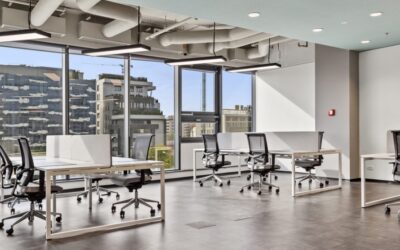
Serviced offices support digital transformation by providing flexible workspaces, advanced technology, and secure infrastructure that help businesses innovate faster. With high-speed connectivity, modern collaboration tools, scalable office solutions, and built-in IT support, companies can implement digital strategies efficiently while reducing operational costs. These future-ready environments enable organizations to adapt, grow, and remain competitive in an increasingly digital business landscape.

Serviced Offices and Workplace Equality: A New Perspective
Serviced offices promote workplace equality by creating flexible, inclusive environments where businesses of all sizes have access to professional facilities and shared resources. Accessible design, collaborative spaces, and diverse professional communities encourage innovation, equal opportunities, and stronger workplace culture. By supporting inclusion and adaptability, serviced offices help organizations build fairer, more connected, and future-ready workplaces.

Serviced Offices and Local Economies: A Powerful Connection
Serviced offices strengthen local economies by supporting entrepreneurs, attracting investment, and creating opportunities for business growth. Flexible workspaces encourage innovation, generate local jobs, and increase demand for nearby services, helping communities thrive. By revitalizing office real estate and fostering collaboration between businesses, serviced offices contribute to stronger, more resilient economies while supporting sustainable urban development.
Serviced Office Flexibility: How Businesses Stay Agile in a Changing World
Serviced office flexibility helps businesses adapt quickly to changing market conditions by offering scalable workspaces, predictable costs, and short-term commitments. Companies can easily expand or reduce their office space while benefiting from fully equipped facilities and collaborative environments. This flexible approach supports business growth, improves cost control, and enables organizations to remain agile, competitive, and prepared for future challenges.

Serviced Offices for Digital Nomads: Why They’re a Perfect Match
Serviced offices for digital nomads combine flexibility, professional facilities, and collaborative communities in one workspace. They provide high-speed internet, fully equipped offices, and networking opportunities that help remote professionals stay productive wherever they work. By supporting flexible workstyles and business growth, serviced offices offer the ideal solution for digital nomads seeking freedom without sacrificing professionalism.
How Serviced Offices Drive Innovation and Boost Business Growth
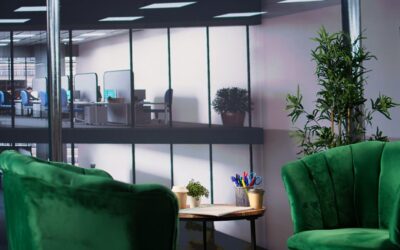
Serviced offices drive innovation by providing flexible workspaces that encourage creativity, collaboration, and business growth. With modern technology, adaptable office layouts, and vibrant professional communities, companies can exchange ideas, build valuable connections, and respond quickly to change. By combining flexibility with premium facilities, serviced offices create the ideal environment for innovation, productivity, and long-term business success.
Serviced Offices and Intergenerational Collaboration: Bridging the Gap for a Dynamic Future
Serviced offices encourage intergenerational collaboration by creating flexible workspaces where professionals of all ages can share knowledge, ideas, and experience. Their community-focused environments support mentorship, innovation, and stronger teamwork while helping businesses build more inclusive workplace cultures. By bringing together diverse perspectives, serviced offices foster creativity, adaptability, and long-term business success in an evolving world of work.
How Serviced Offices Promote Sustainable Business Practices
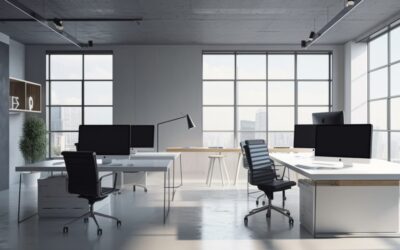
Serviced offices promote sustainable business practices by reducing resource consumption, improving energy efficiency, and encouraging shared use of office facilities. Flexible workspace solutions help businesses minimize waste, lower operating costs, and adapt to changing needs without unnecessary environmental impact. By integrating green technologies and supporting responsible workplace practices, serviced offices contribute to a more sustainable and future-focused business environment.
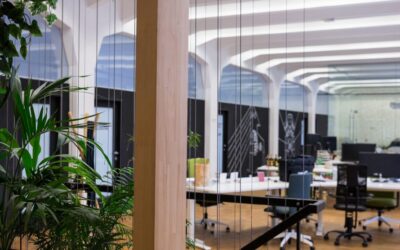
The Hidden Benefits of Serviced Offices You Didn’t Know About
Serviced offices offer more than flexibility and cost savings. They provide valuable networking opportunities, professional facilities, operational support, and scalable workspace solutions that adapt to changing business needs. With shared amenities, prestigious locations, and built-in services, businesses can improve efficiency, strengthen their brand image, and focus on sustainable growth while reducing administrative burdens and operating costs.

How Serviced Offices Drive Small Business Growth
Serviced offices help small businesses grow by providing flexible workspaces, predictable costs, and access to premium facilities without large upfront investments. Their scalable solutions allow companies to adapt as they expand, while shared environments encourage networking and collaboration. With professional amenities, strategic locations, and business-focused support, serviced offices create the ideal foundation for sustainable growth and long-term success.

The Future of Technology in Serviced Offices: AI and Automation
AI and automation are transforming serviced offices into smarter, more efficient workspaces that improve productivity and flexibility. Intelligent systems streamline daily operations, optimize energy use, and automate routine tasks, allowing businesses to focus on growth and innovation. By combining advanced technology with adaptable office environments, serviced offices deliver scalable solutions that support future business success and evolving workplace needs.
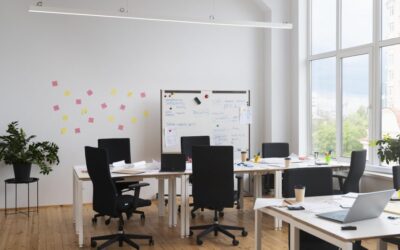
How Serviced Offices Help Businesses Save Costs
Serviced offices help businesses reduce overhead costs by eliminating large upfront investments, long-term leases, and ongoing maintenance expenses. Flexible agreements allow companies to scale as their needs change, while fully equipped workspaces and shared amenities minimize operational spending. By combining predictable monthly costs with prime locations and professional services, serviced offices support sustainable business growth without unnecessary financial strain with ease.

Why Location Matters When Choosing a Serviced Office
Choosing the right serviced office location can significantly influence your business success. A strategic address enhances your brand image, improves accessibility for employees and clients, and creates valuable networking opportunities. Well-connected locations support efficient daily operations, attract top talent, and provide flexibility for future growth. Selecting the right office location is an investment in long-term visibility, resilience, and business performance.

The Connection Between Serviced Offices and Mental Health
The modern serviced office environment plays a vital role in supporting employee mental health and resilience. Choosing well lit spaces with ergonomic furniture instantly elevates mood and reduces daily stress levels. The built in community under one roof acts as a powerful buffer against professional isolation by fostering organic social connections. Providing flexible terms and quiet zones helps small teams balance workloads effectively to prevent burnout and ensure true well being.
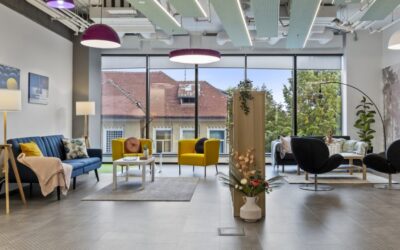
How Serviced Offices Support International Business Expansion
Serviced offices act as vital gateways for international expansion by providing an instant local presence without any real estate hassle. These flexible workspaces eliminate high upfront costs and long term commitments, allowing small businesses to test new global markets with minimal risk. Offering all inclusive packages and fully equipped workstations ensures rapid deployment and smooth daily operations. Choosing these smart hubs helps elevate your brand image to immediately build trust abroad.
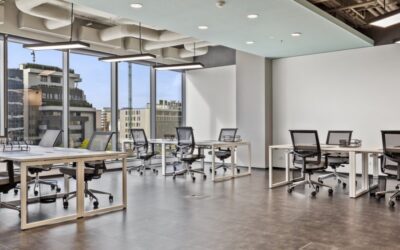
Why Choose Serviced Offices in the Digital Age?
Serviced offices are essential strategic assets for modern businesses navigating the fast paced digital age. These dynamic workspaces offer unparalleled flexibility to easily scale up or down without the financial burden of rigid long term leases. Equipped with lightning fast internet and smart conferencing tools, they seamlessly support advanced digital workflows and remote collaboration. Choosing these hubs ensures predictable monthly costs while providing premium networking opportunities.
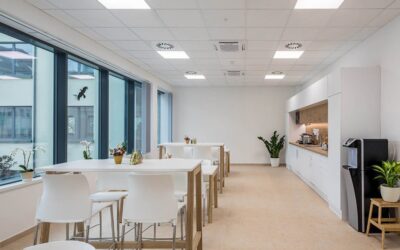
How Serviced Offices Are Transforming Workplace Culture
Serviced offices are transforming workplace culture by shifting the focus toward agility, connection, and innovation. Breaking away from rigid corporate models, these flexible environments allow small businesses to easily scale while eliminating administrative burdens. Bringing diverse companies under one roof creates a vibrant ecosystem where casual networking naturally sparks collaboration. Powered by smart technology, these modern spaces empower teams with the autonomy to truly thrive.
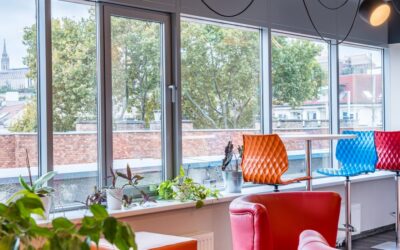
Celebrating the Versatility of Serviced Office Solutions
Serviced office solutions offer unmatched versatility to meet the demands of modern fluid work environments. These flexible spaces allow startups and project teams to easily scale their operations up or down without any long term lease commitments. Providing ready to use workstations and premium shared amenities effectively eliminates daily logistical hassles for businesses. Choosing these adaptive hubs seamlessly supports hybrid models while fostering dynamic networking opportunities.
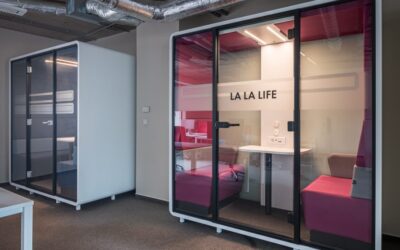
Office Hacks That Improve Comfort in Serviced Spaces
Standard serviced offices can easily be turned into highly productive workspaces with a few personal adjustments. Adding simple desk decorations and adjustable warm lighting creates a more inviting atmosphere while effectively reducing eye strain. Introducing low maintenance greenery purifies the air, and using quality noise canceling headphones helps you eliminate open plan distractions. Optimizing your chair ergonomics ensures long term physical comfort throughout busy workdays.
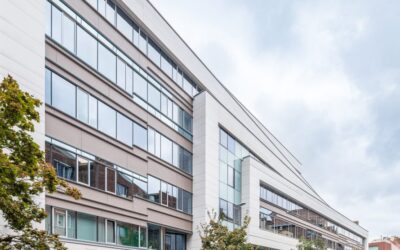
The Power of First Impressions in Office Lobby Designs
An office lobby is the opening chapter of your brand story, making a powerful first impression on clients and teams. Balancing a functional layout with strategic lighting transforms this transitional space into a welcoming environment. Integrating subtle branding cues like unique textures or eco-friendly materials communicates your corporate values without being loud. Choosing stylish, high-quality furniture ensures that everyone feels instantly valued the moment they step inside.
Health and Safety Features Your Office Shouldn’t Miss
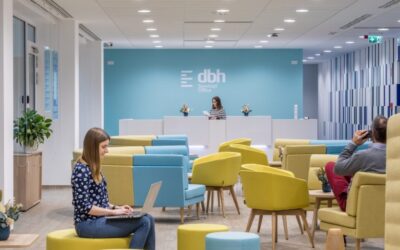
Health and safety features are essential foundations for building a thriving modern office environment. Providing ergonomic furniture and height adjustable desks minimizes physical strain and protects your team from long term injuries. Implementing high efficiency HVAC systems ensures clean air quality to reduce fatigue, while smart lighting choices eliminate eye strain. Combining these features with strict sanitation measures and clear emergency plans keeps everyone safe and productive.

The Role of Breakout Spaces in Modern Offices
Breakout spaces are essential components of modern office design that support creativity, collaboration, and employee well-being. These versatile areas encourage teams to step away from rigid desks, offering a fresh change of scenery that helps unblock innovative ideas. Outfitted with modular furniture, they seamlessly adapt from casual brainstorming hubs to quiet relaxation zones. Investing in these social spaces reduces daily stress and builds a more inclusive, productive workplace culture.
How Service Quality Shapes the Office Experience
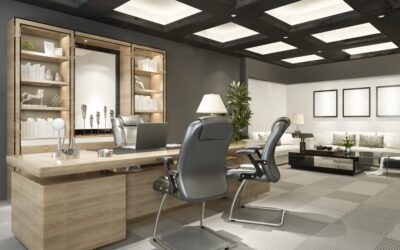
Service quality is the defining factor that transforms standard serviced offices into thriving hubs of productivity. Providing responsive support teams ensures that technical and logistical roadblocks are quickly resolved without disrupting your workflow. Maintaining pristine cleanliness standards builds trust and safety, while intentional community events combat isolation and foster collaboration. Exceptional service ultimately boosts employee satisfaction and long term tenant retention.
Exploring Biophilic Designs in Serviced Offices
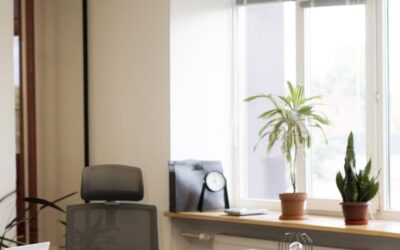
Biophilic design is a powerful trend that transforms serviced offices into vibrant yet calming workspaces by integrating nature indoors. Bringing in elements like natural light, plants, and organic textures significantly reduces daily stress and improves employee well being. These natural features also boost productivity, enhance mental clarity, and spark creative thinking in collaborative hubs. Embracing this green philosophy creates a unique professional atmosphere where modern teams can truly thrive.