
Short vs Long Term Office Rental: When to Choose Each Option
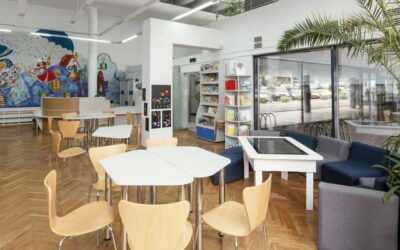
Choosing between short- and long-term office rental depends on a company’s budget, growth plans, and need for flexibility or stability. Short-term rentals offer adaptability and lower upfront commitments, while long-term leases provide predictable costs, a permanent location, and greater consistency. By considering factors such as business growth, location, facilities, and future needs, companies can select the office solution that best supports sustainable growth and operational efficiency.

Choosing First Office for Startups: Key Considerations
Choosing the first office for a startup requires careful consideration of space, budget, location, flexibility, technology, and company culture. The right workspace can reduce costs, support productivity, and adapt as the business grows. Serviced offices offer flexible lease terms, ready-to-use infrastructure, and predictable expenses, helping startups establish a professional environment while avoiding unnecessary commitments and focusing resources on growth.
How a Serviced Office for Startups Supports Rapid Growth
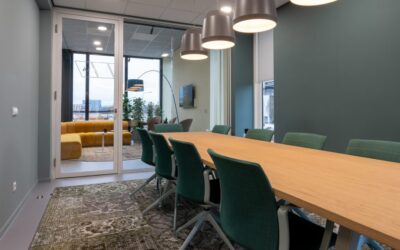
Serviced offices provide startups with the flexibility, cost efficiency, and professional infrastructure needed to support rapid growth. Flexible agreements, predictable monthly costs, modern facilities, networking opportunities, and prime locations allow young businesses to establish a professional presence while adapting to changing needs. By reducing the time and resources spent on office management, serviced offices enable entrepreneurs to focus on innovation, customers, and long-term business development.
Office Habits Across Different Cultures
Office habits vary widely across cultures, influencing communication, punctuality, work-life balance, office design, team dynamics, and workplace routines. Understanding these cultural differences helps international companies build stronger relationships, avoid misunderstandings, and create more inclusive and effective work environments.

Offices in 2050: Science Fiction or Realistic Future?
By 2050, offices are likely to become smarter, greener, and more flexible. Artificial intelligence, virtual reality, renewable energy, and smart building systems could transform the workplace, while offices increasingly serve as hubs for collaboration, creativity, and networking. Despite rapid technological progress, future workplaces will need to remain focused on human needs, well-being, and meaningful connection.
The Growing Power of AI Assistants in Office Administration
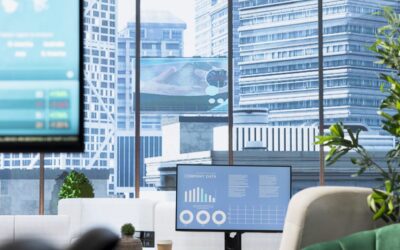
AI assistants in office administration are transforming modern workplaces by automating repetitive tasks, improving accuracy, and saving valuable time. From scheduling and document management to email handling and reporting, these tools streamline daily operations and free employees to focus on strategic work. With the right security measures and training, AI assistants can reduce costs, boost productivity, and help businesses build a smarter, more efficient office environment.
How a Serviced Office for Startups Supports Rapid Growth
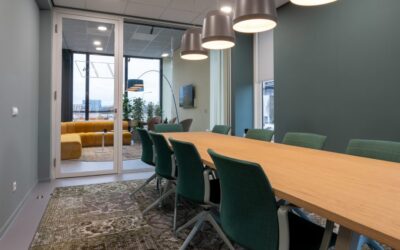
A serviced office for startups provides the flexibility, cost efficiency, and professional infrastructure needed for rapid growth. Ready-to-use workspaces, predictable costs, networking opportunities, and prime locations allow young companies to focus on innovation rather than office logistics. With scalable solutions and essential services, serviced offices help startups build credibility, adapt to changing needs, connect with valuable partners, and direct more resources toward growth.
Office Habits Across Different Cultures
Office habits across different cultures influence communication, teamwork, productivity, and workplace expectations. Differences in punctuality, communication styles, work-life balance, office design, team dynamics, and break habits can shape how international teams collaborate. Understanding these cultural patterns helps businesses build more inclusive workplaces, avoid misunderstandings, strengthen professional relationships, and create an environment where diverse teams can work together effectively.

Offices in 2050: Science Fiction or Realistic Future?
Offices in 2050 will likely combine advanced technology, sustainability, and flexible work models to create smarter, greener workplaces. AI assistants, virtual reality, renewable energy, and intelligent building systems could transform how people work and collaborate. As offices become hubs for creativity and connection rather than daily destinations, human well-being, privacy, and adaptability will remain essential to shaping the future of work.
The Growing Power of AI Assistants in Office Administration
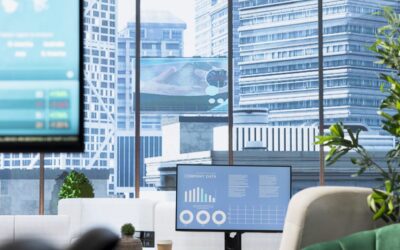
AI assistants in office administration are transforming modern workplaces by automating repetitive tasks and improving efficiency. From scheduling meetings and organizing documents to managing emails, reporting, and customer support, these tools save time and reduce errors. By freeing employees to focus on strategy, creativity, and client engagement, AI assistants help businesses streamline operations, lower costs, and build a more productive, future-ready office environment.

Generational differences in office use, they can Generational Differences in Office Use: How Gen Z, Millennials, and Gen X Work Differently
Generational differences in office use are reshaping how modern workplaces are designed. Gen Z often values collaborative, technology-driven spaces, while Millennials seek flexibility, networking, and wellness features. Gen X tends to prefer structure, quiet areas, and efficient workspaces. By combining flexible layouts, collaborative zones, and private spaces, companies can create inclusive offices that support productivity, engagement, and the diverse needs of every generation.
Best Districts in Budapest to Rent Office Space
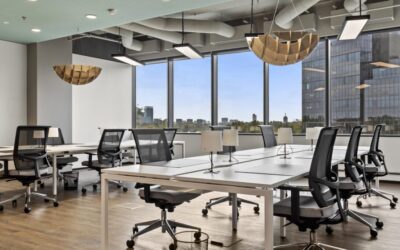
Looking to rent office in Budapest? The city offers outstanding business locations that combine accessibility, prestige, and flexible office solutions. Districts such as the 13th, 11th, 6th, 3rd, and 2nd provide modern workspaces, excellent transport links, and thriving business communities. Choosing the right district helps companies strengthen their professional image, support growth, and create the ideal environment for long-term success.

Serviced Offices and Technological Innovation in the Workplace
Serviced offices drive technological innovation by combining flexible workspaces with advanced digital infrastructure and smart office solutions. High-speed connectivity, collaboration tools, automated systems, and modern technology help businesses improve productivity, support hybrid work, and adapt quickly to changing demands. By enabling innovation, efficiency, and sustainable growth, serviced offices create future-ready workplaces for modern businesses.

How Serviced Offices Align with Corporate Sustainability Goals
Serviced offices support corporate sustainability goals by reducing resource consumption, improving energy efficiency, and encouraging shared use of modern workplace facilities. Flexible office solutions, smart building technology, and eco-friendly operations help businesses lower their environmental impact while maintaining agility. By promoting sustainable growth and responsible resource management, serviced offices create greener, future-ready workplaces.
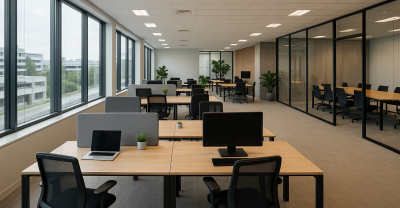
The Future of Workplace Flexibility in Serviced Offices
Serviced offices redefine the workplace experience by combining flexibility, modern technology, and collaborative environments that support business growth. Fully equipped workspaces, predictable costs, and shared amenities help companies improve productivity while adapting to changing needs. By fostering innovation, professional networking, and employee engagement, serviced offices create future-ready workplaces designed for long-term success.

How Serviced Offices Redefine the Workplace Experience
Serviced offices redefine the workplace experience by combining flexibility, modern technology, and collaborative environments that support business growth. Fully equipped workspaces, predictable costs, and shared amenities help companies improve productivity while adapting to changing needs. By fostering innovation, professional networking, and employee engagement, serviced offices create future-ready workplaces designed for long-term success.
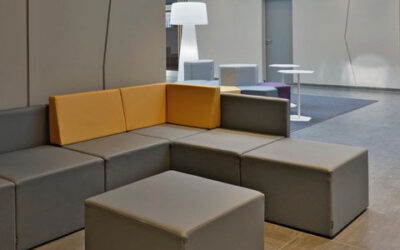
The Relationship Between Serviced Offices and Workplace Creativity
Serviced offices enhance workplace creativity by providing flexible workspaces, inspiring design, and collaborative environments that encourage innovation. Shared spaces, networking opportunities, and adaptable office layouts help teams exchange ideas, solve problems creatively, and develop new business opportunities. By fostering collaboration and supporting different working styles, serviced offices create an environment where creativity and business growth thrive together.

How Serviced Offices Support Remote Work: The New Frontier of Flexibility and Functionality
Serviced offices support remote work by providing flexible, fully equipped workspaces that combine the freedom of hybrid working with the benefits of professional office environments. Modern infrastructure, collaborative spaces, and all-inclusive services help teams stay connected, productive, and engaged. By reducing costs and improving flexibility, serviced offices enable businesses to grow while adapting to the changing demands of today’s workforce.
The New Norms of Workplace Safety in Serviced Offices
Serviced offices enhance workplace safety by combining flexible office design with advanced technology and proactive health measures. Features such as touchless access, smart security, improved air quality, and adaptable layouts create safer, more productive work environments. By supporting employee well-being, reducing operational risks, and promoting a strong safety culture, serviced offices help businesses thrive in an evolving workplace landscape.

How Serviced Offices Improve Workplace Efficiency
Serviced offices improve workplace efficiency by providing flexible workspaces, predictable costs, and fully equipped business environments. Modern technology, collaborative spaces, and all-inclusive services reduce administrative burdens while helping teams stay productive and focused. With scalable office solutions and professional infrastructure, businesses can adapt quickly to changing demands, streamline operations, and achieve sustainable growth in a competitive market.
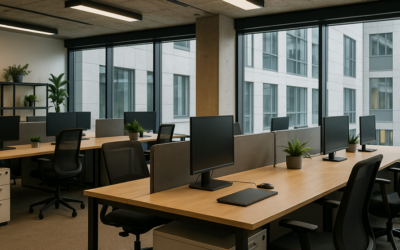
Serviced Offices and Building Workplace Communities: Redefining the Future of Work
Serviced offices help build strong workplace communities by combining flexible workspaces with collaborative environments that encourage networking, innovation, and knowledge sharing. Shared amenities, community events, and professional support create meaningful connections between businesses and individuals. By fostering engagement and collaboration, serviced offices strengthen workplace culture while helping companies grow in a flexible, future-focused environment.
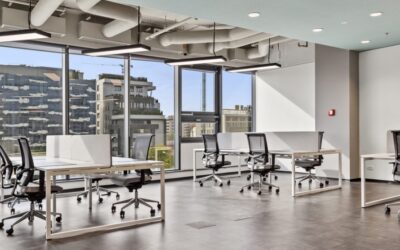
How Serviced Offices Support Digital Transformation
Serviced offices support digital transformation by providing flexible workspaces, advanced technology, and secure infrastructure that help businesses innovate faster. With high-speed connectivity, modern collaboration tools, scalable office solutions, and built-in IT support, companies can implement digital strategies efficiently while reducing operational costs. These future-ready environments enable organizations to adapt, grow, and remain competitive in an increasingly digital business landscape.

Serviced Offices and Workplace Equality: A New Perspective
Serviced offices promote workplace equality by creating flexible, inclusive environments where businesses of all sizes have access to professional facilities and shared resources. Accessible design, collaborative spaces, and diverse professional communities encourage innovation, equal opportunities, and stronger workplace culture. By supporting inclusion and adaptability, serviced offices help organizations build fairer, more connected, and future-ready workplaces.

Serviced Offices and Local Economies: A Powerful Connection
Serviced offices strengthen local economies by supporting entrepreneurs, attracting investment, and creating opportunities for business growth. Flexible workspaces encourage innovation, generate local jobs, and increase demand for nearby services, helping communities thrive. By revitalizing office real estate and fostering collaboration between businesses, serviced offices contribute to stronger, more resilient economies while supporting sustainable urban development.