
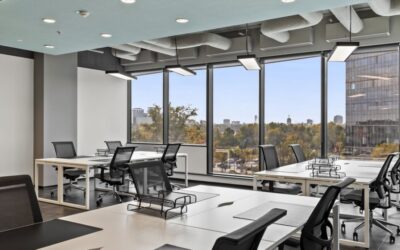
How Office Perks Influence Employee Motivation
Workplace perks are essential tools for boosting employee engagement and motivation. Beyond simple add-ons, well-chosen benefits like flexible hours and wellness programs address core psychological needs for recognition and belonging.
To be effective, perks should be practical and tailored to employee feedback rather than being generic. By implementing cost-effective, meaningful rewards, businesses can create a supportive culture that attracts and retains top industry talent.
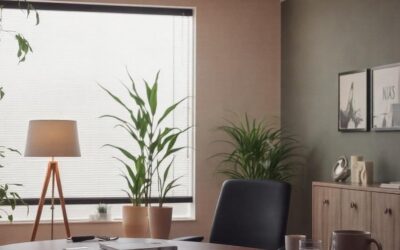
The Hidden Costs of Running an Office
Discover the invisible expenses draining your budget, from utilities to IT maintenance. This guide explores strategic cost-cutting, compares serviced offices versus traditional leases, and provides actionable tips for sustainable workspace budgeting. Learn how to optimize your office energy usage, negotiate with vendors, and choose the right environment to boost your bottom line while keeping employees productive. Master your office finances today!
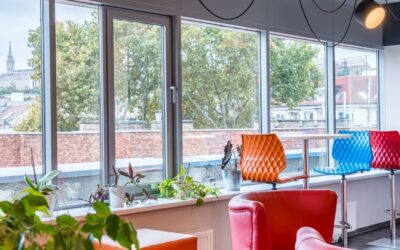
How Office Temperature Affects Productivity
Office temperature is a key driver of employee productivity, with research showing that conditions between 21°C and 25°C foster optimal focus. Finding a balance is challenging due to individual preferences and physiological differences, but it is essential for reducing errors and fatigue.
By implementing smart zoning, baseline temperatures, and flexible dress codes, businesses can resolve climate disputes. A comfortable workspace is a direct investment in team performance.
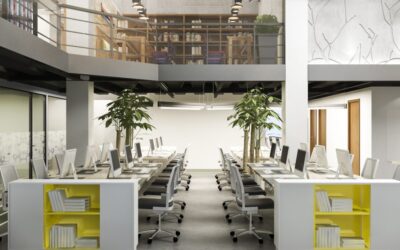
The Most Unusual Office Spaces in the World
Modern workplaces are evolving beyond traditional desks to include underwater offices, treehouses, and repurposed airplanes. These unique environments are strategic investments designed to spark creativity, strengthen brand identity, and boost employee retention.
By prioritizing inspired design and sustainability, companies create spaces where innovation thrives and stress levels drop. Even traditional offices can learn from these trends by integrating nature and flexible layouts.
How the Four-Day Workweek Impacts Office Space Demand
The four-day workweek is gaining global traction as businesses seek to enhance productivity and employee well-being. This shift significantly impacts office space demand, leading companies to reconsider traditional leases in favor of flexible, hybrid solutions.
By downsizing footprints and prioritizing collaborative zones over individual desks, organizations can optimize their overhead. Adapting to these evolving work patterns is essential for staying competitive in the modern talent market.

How Office Noise Affects Productivity and How to Fix It
Workplace noise is a major distraction that diminishes focus, increases stress, and stifles productivity. Constant interruptions in open-plan offices can reduce cognitive performance and lead to employee burnout.
To combat this, businesses can implement soundproofing strategies like acoustic panels, sound masking technology, and designated quiet zones. By carefully designing office layouts with noise-reducing furniture and phone pods, you can create a balanced and productive environment.

How Office Location Affects Employee Retention
Office location is a critical factor in employee retention, often carrying as much weight as salary or culture. Long commutes increase stress and turnover risk, making transit-friendly, accessible workspaces essential for a healthy work-life balance.
Beyond the commute, quality amenities like wellness areas and nearby dining options demonstrate a direct investment in team well-being. By prioritizing strategic locations over cheap rent, businesses can secure top industry talent.

The Best Office Layouts for Different Work Styles
Effective office design is crucial for boosting productivity and employee satisfaction. This guide explores the best layouts to accommodate diverse work styles, from open, collaborative spaces to private zones designed for deep focus.
By embracing emerging trends like modular furniture and adjustable workspaces, businesses can create flexible environments that adapt to their needs. A well-balanced office layout seamlessly integrates both teamwork and individual concentration.
The Impact of AI on Office Administration
Artificial intelligence is reshaping office administration by automating routine tasks and boosting workplace productivity. AI-driven scheduling tools and virtual assistants save valuable time, while advanced HR systems improve recruitment and onboarding processes.
In facility management, predictive maintenance and smart energy solutions enhance sustainability. By adopting these emerging technologies, businesses can stay competitive and build a highly efficient, future-ready office.

The Psychological Effects of Remote vs. In-Office Work
Remote work, office work, and hybrid models each uniquely impact psychological well-being, productivity, and social connections. While remote setups offer flexibility, they can blur work-life boundaries and cause isolation.
Conversely, in-person environments foster collaboration and teamwork. Hybrid models provide a balanced approach, merging autonomy with community building. By aligning work models with employee needs, businesses can cultivate a thriving, productive workplace.

The Role of Office Managers in a Serviced Office Environment
Office managers are the ultimate backbone of workplace efficiency, ensuring smooth daily operations. In a dynamic serviced office environment, their traditional role shifts toward far greater adaptability and technological proficiency.
Managing flexible workspaces requires exceptional organizational skills and close collaboration with service providers. By mastering smart scheduling tools, office managers can optimize shared amenities and cultivate a highly productive team environment.

What Makes a City Attractive for Office Space Investment?
Investing in office space requires analyzing economic stability, market demand, and infrastructure. This guide explores what makes a city attractive to real estate investors, highlighting booming European markets like London, Berlin, and emerging CEE hubs.
With ESG standards and flexible workspaces shaping the future of commercial real estate, strategic location choices are vital. By understanding these growth trends, corporate decision-makers can secure top returns and sustainable value.

The Evolution of Office Spaces: From Cubicles to Open Workspaces
The evolution of office design – from rigid cubicles to dynamic open plans – reflects changing workplace priorities. While open layouts enhanced collaboration, they also highlighted the need for privacy, paving the way for hybrid and coworking models.
Today’s future-focused offices blend flexibility with well-being through biophilic design, smart technology, and modular layouts. By understanding these trends, businesses can craft spaces that boost productivity and satisfaction.

Office Amenities That Employees Actually Want in 2025
Employee expectations for office amenities have evolved, making thoughtful design essential for attracting and retaining talent. In 2025, top requested features include flexible workspaces, abundant natural light, and tech-driven smart systems.
Health and wellness are also prioritized through on-site fitness areas and ergonomic furniture. By embracing future trends like biophilic design and sustainability, employers can create dynamic spaces that enhance both comfort and productivity.

The Role of Business Address Services in a Digital World
For modern entrepreneurs, a professional business address is vital for building credibility and protecting privacy. Virtual offices provide a cost-effective solution, offering a prime location and mail handling without the expense of a physical workspace.
They ensure legal compliance for company registration while elevating your brand image. Whether choosing a virtual or serviced office, a dedicated address keeps your business competitive and trustworthy in today’s digital age.

The Psychology of Office Spaces: How Design Affects Productivity
Office design is a powerful tool that influences employee focus, creativity, and well-being. By understanding the principles of color psychology, businesses can create targeted environments for specific tasks.
While open layouts foster collaboration, they must be balanced with quiet zones to minimize distractions. Integrating natural light and biophilic elements like indoor plants further boosts morale. Thoughtful office design directly impacts overall productivity and business success.

The Impact of Remote Work on the Serviced Office Industry
The rise of remote work has fundamentally reshaped how businesses operate and utilize physical workspaces. To meet new demands, the serviced office industry is adapting by offering flexible lease terms, tech-driven collaborative zones, and wellness amenities.
These spaces perfectly support the growing trend of hybrid work models, allowing companies to scale efficiently without long-term commitments. Embracing flexible office solutions is essential for navigating the evolving landscape.

How Startups Can Benefit from Serviced Offices
Serviced offices offer startups a practical and cost-effective alternative to traditional leases. By eliminating upfront costs and providing fixed monthly fees, these flexible workspaces allow entrepreneurs to focus resources on growth.
With seamless scalability, businesses can easily expand or downsize their teams. Furthermore, shared amenities and regular events foster invaluable networking opportunities, creating a dynamic environment that perfectly supports your startup strategy.

How to Design a Productive Office Environment
A thoughtfully designed office environment can significantly enhance employee productivity, creativity, and overall satisfaction. By integrating natural light, ergonomic furniture, and strategic color schemes, businesses can foster focus and collaboration.
Addressing physical comfort with sit-stand desks and managing noise levels through acoustic materials are vital for well-being. Creating flexible layouts ensures that the workspace effectively supports diverse work styles and daily tasks.

The Best Locations for Serviced Offices in Europe
Selecting the right serviced office in Europe is a strategic decision that drives business growth. From London’s global financial hub to Berlin’s thriving startup ecosystem, each city offers unique advantages.
When choosing a location, consider crucial factors like accessibility, the local talent pool, and networking opportunities. Emerging markets such as Budapest and Warsaw provide cost-effective solutions with access to highly skilled workforces, perfect for expanding enterprises.

Why Corporates Are Moving to Flexible Workspaces
The corporate workspace is experiencing a seismic shift, moving away from rigid, long-term leases toward flexible office solutions. Driven by changing employee expectations and the need for greater agility, large enterprises are embracing serviced offices to optimize real estate spending.
These adaptable workspaces offer scalable solutions, enhanced cost efficiency, and prime locations. By prioritizing flexibility, businesses can boost productivity while remaining competitive. scalability.

Coworking vs. Serviced Offices: Which Is Right for You?
Choosing the right workspace is a critical decision for modern professionals. While both coworking spaces and serviced offices offer flexible alternatives to traditional leases, they cater to different needs.
Coworking spaces provide a vibrant, community focused environment ideal for freelancers and early stage startups. In contrast, serviced offices deliver privacy and professionalism, making them perfect for growing teams and corporate expansions that require dedicated, move in ready spaces.

How to Choose the Right Serviced Office for Your Business
Finding the perfect serviced office is crucial for business growth and team productivity. When evaluating workspace options, consider key factors like a prime location for clients, access to local amenities, and a reliable tech infrastructure.
It is equally important to understand flexible lease terms and avoid hidden costs. By comparing providers and their unique perks, businesses can secure a highly scalable, cost effective workspace that perfectly aligns with their long term goals.

The Cost of Renting a Serviced Office: What to Expect in 2025
Understanding serviced office costs in 2025 is essential for effective budgeting. Rental prices vary widely based on location, office size, and included amenities. Premium hubs command higher rates, but emerging districts offer great value.
To optimize your real estate strategy, beware of hidden fees and leverage flexible lease terms. By embracing hybrid work models and negotiating smartly, businesses of all sizes can secure professional workspaces that boost productivity and growth.